I'm
Sanjay Singh
Cloud Consultant, Cloud Architect, Cloud Trainer, Server Administrator, Network Engineer
Download CV

Sanjay Singh is a highly experienced Sr.Cloud trainer with a passion for helping individuals and businesses unlock the full potential of cloud computing. With over a decade of experience in the industry, Sanjay has developed a deep understanding of the latest cloud technologies and trends, and he is committed to sharing his knowledge and expertise with others.
Throughout his career, Sanjay has worked with a wide range of clients, from small start-ups to global enterprises, helping them to leverage the power of the cloud to drive innovation and growth!
Bikaner University | 2000 - 2006
Freelancer | 2018 - present
Sanjay has helped numerous organizations implement cloud solutions that have transformed the way they do business.
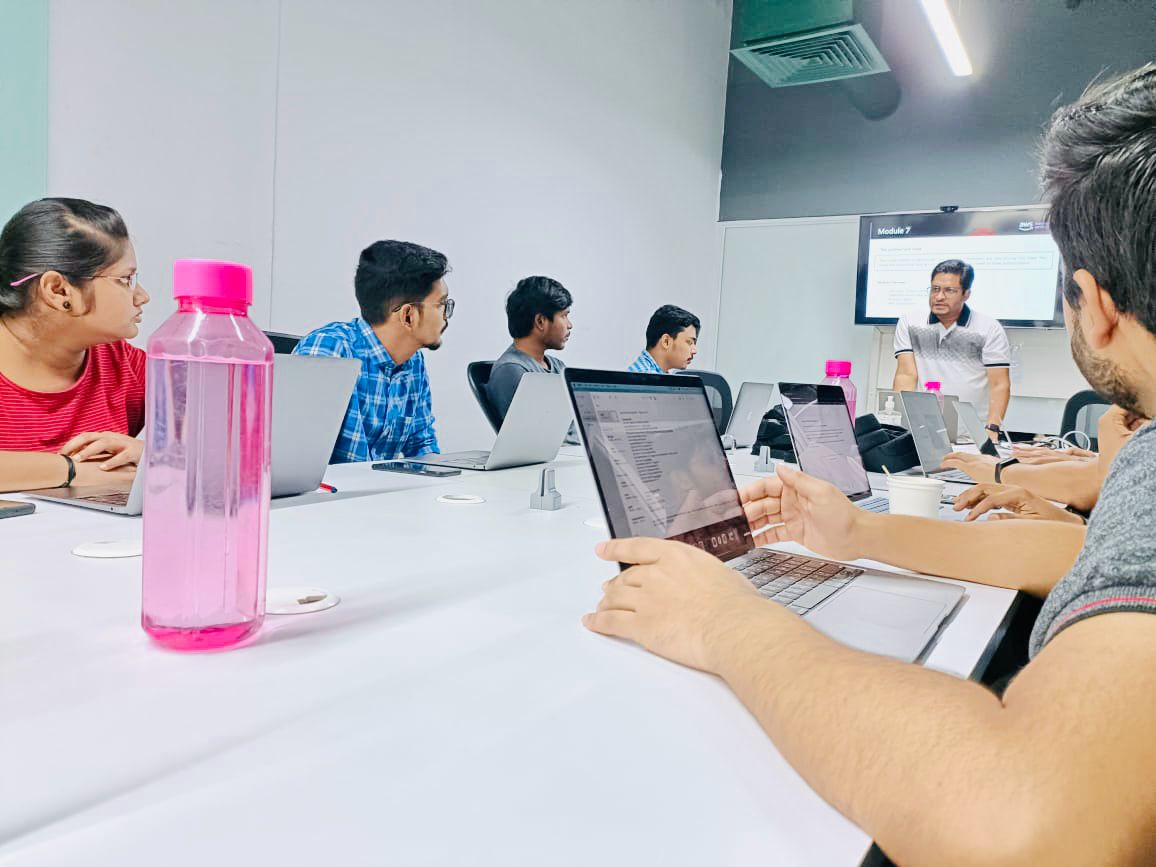
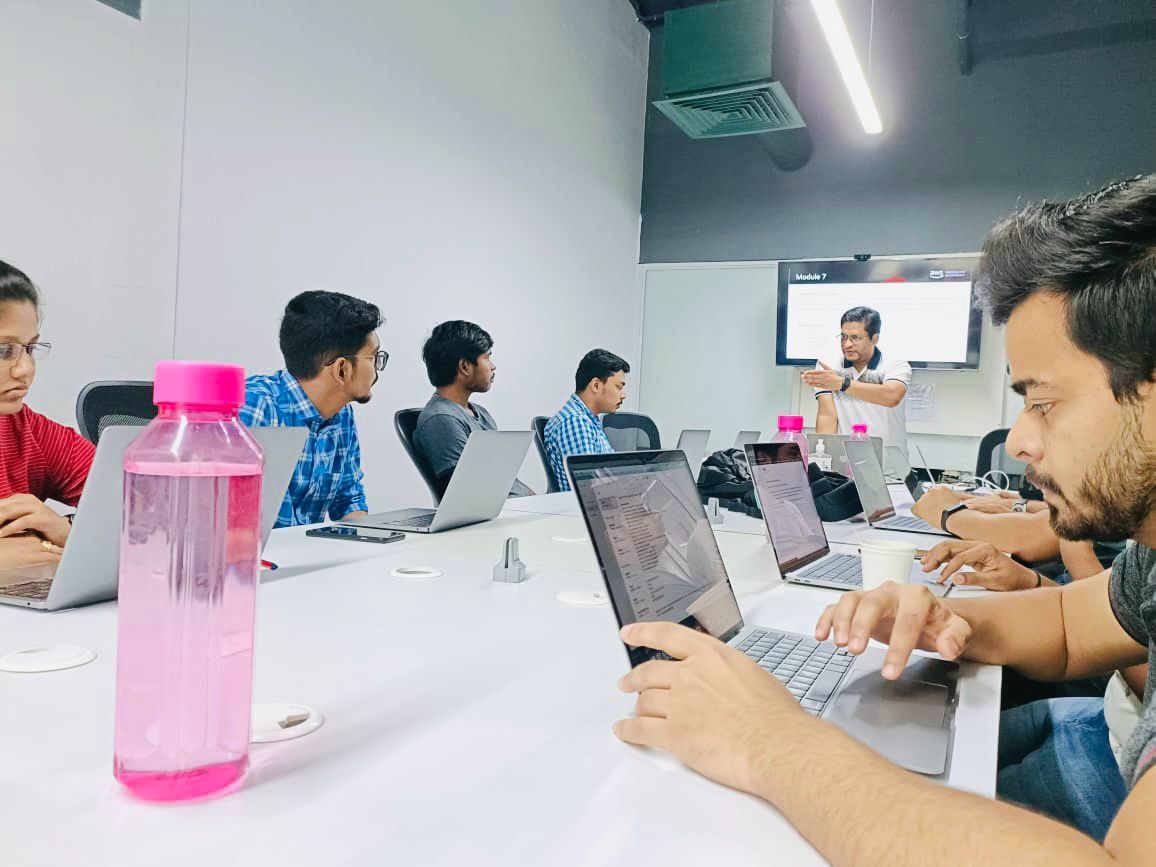
Read MoreOffering both online and offline training also caters to a wider audience. Some individuals prefer the flexibility and convenience of online learning, while others may prefer the structure and interaction of in-person training. By offering both options, Sanjay is able to reach more people and tailor his training to their needs.
Read MoreOffering both online and offline training also caters to a wider audience. Some individuals prefer the flexibility and convenience of online learning, while others may prefer the structure and interaction of in-person training. By offering both options, Sanjay is able to reach more people and tailor his training to their needs.
Read MoreOffering both online and offline training also caters to a wider audience. Some individuals prefer the flexibility and convenience of online learning, while others may prefer the structure and interaction of in-person training. By offering both options, Sanjay is able to reach more people and tailor his training to their needs.
Read MoreSanjay's expertise in Server Administration is invaluable, and his training can provide individuals with a competitive edge in the job market.
Read MoreMigrating infrastructure to the cloud has become a popular choice for many companies looking to reduce costs and increase efficiency. By moving their infrastructure to the cloud, businesses can take advantage of the scalability, flexibility, and security offered by cloud providers.
Read More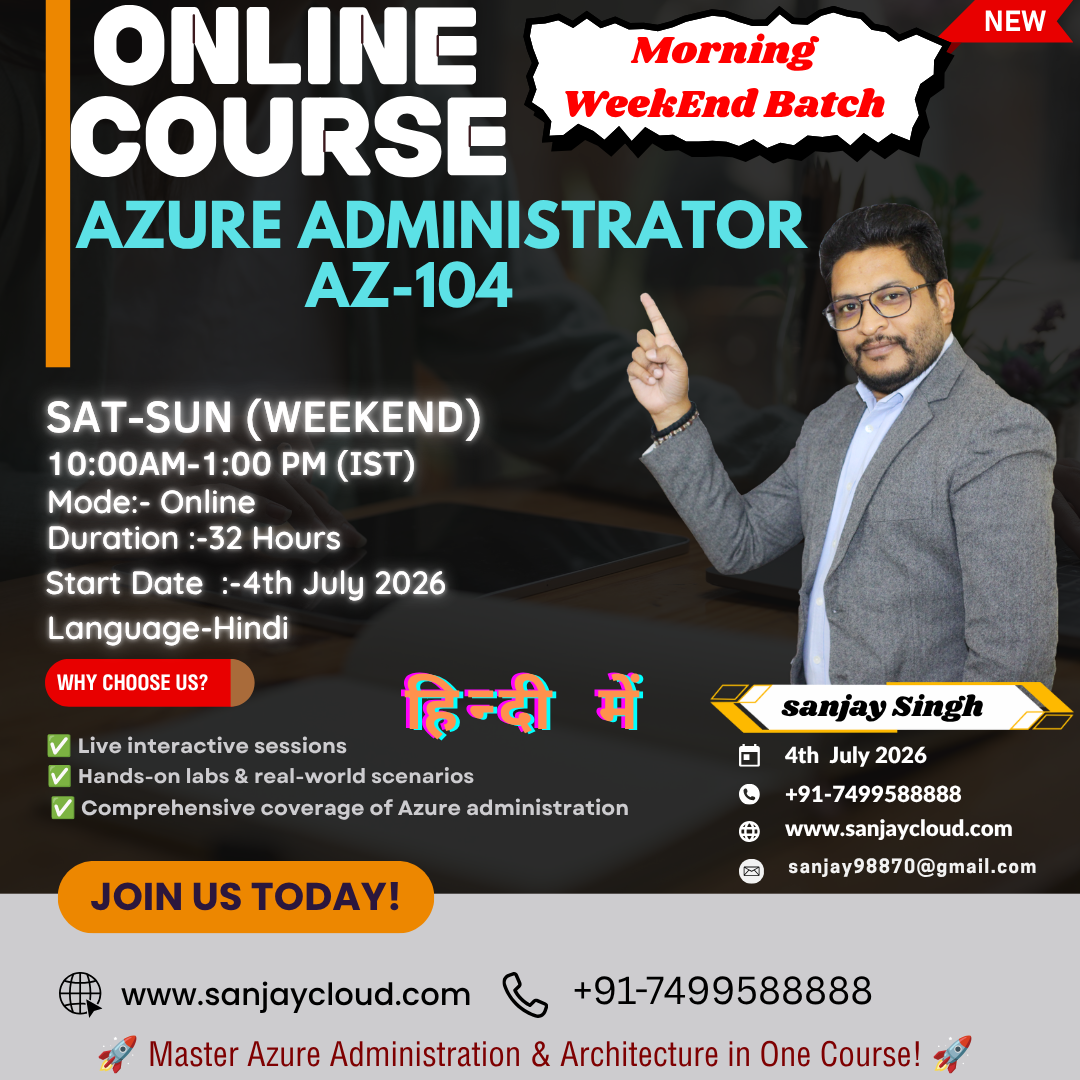
Start Date: 4th July 2026
Time: 10:00 AM - 1:00 PM IST
Mode: Online Live
Duration: 40 Hours
Fee: ₹15,000
Enroll Now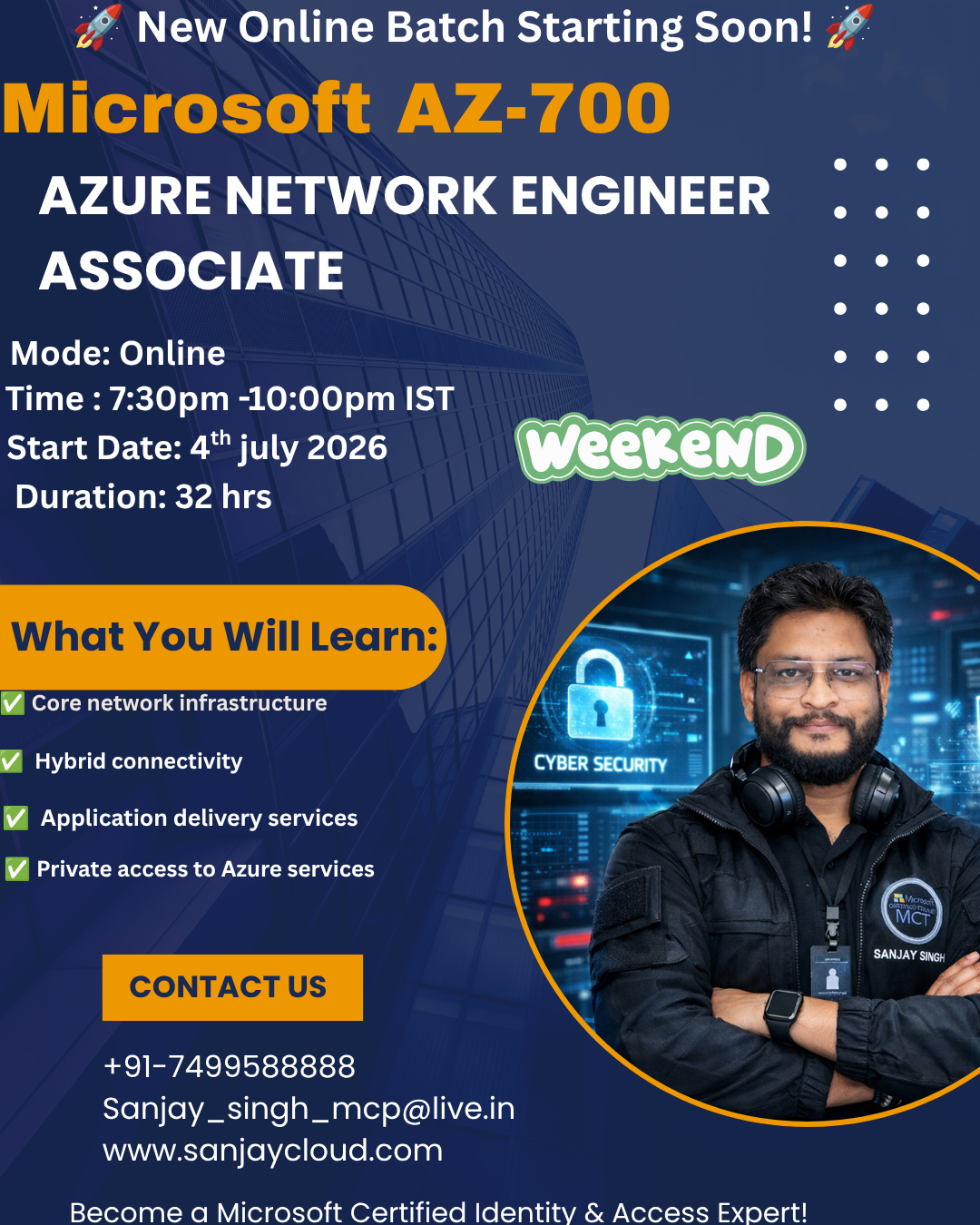
Start Date: 4th July 2026
Time: 7:30 PM - 10:00 PM IST
Mode: Online Live
Duration: 30 Hours
Fee: ₹18,000
Enroll Now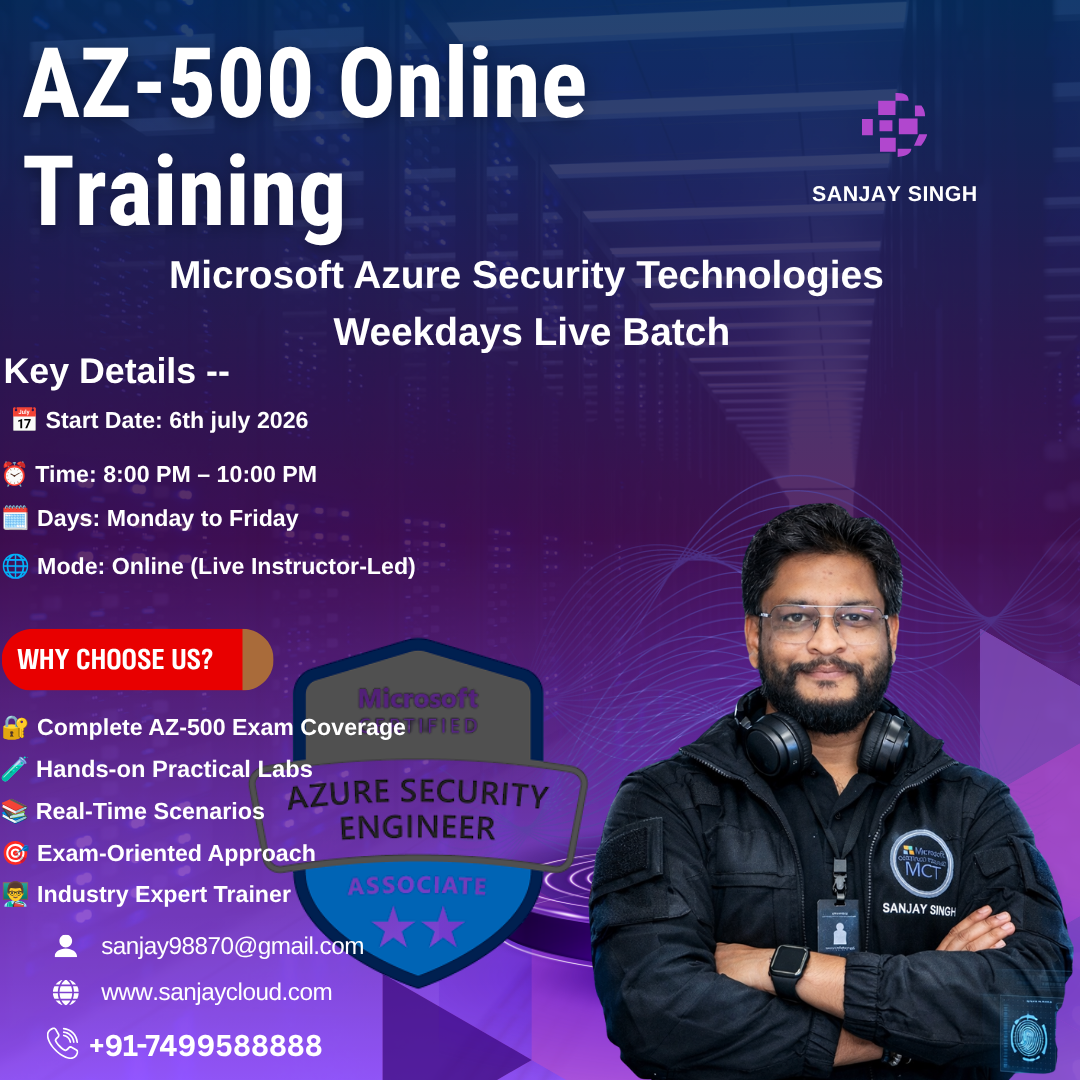
Start Date: 6th July 2026
Time: 8:30 AM - 11:30 AM IST
Mode: Online Live
Duration: 40 Hours
Fee: ₹16,000
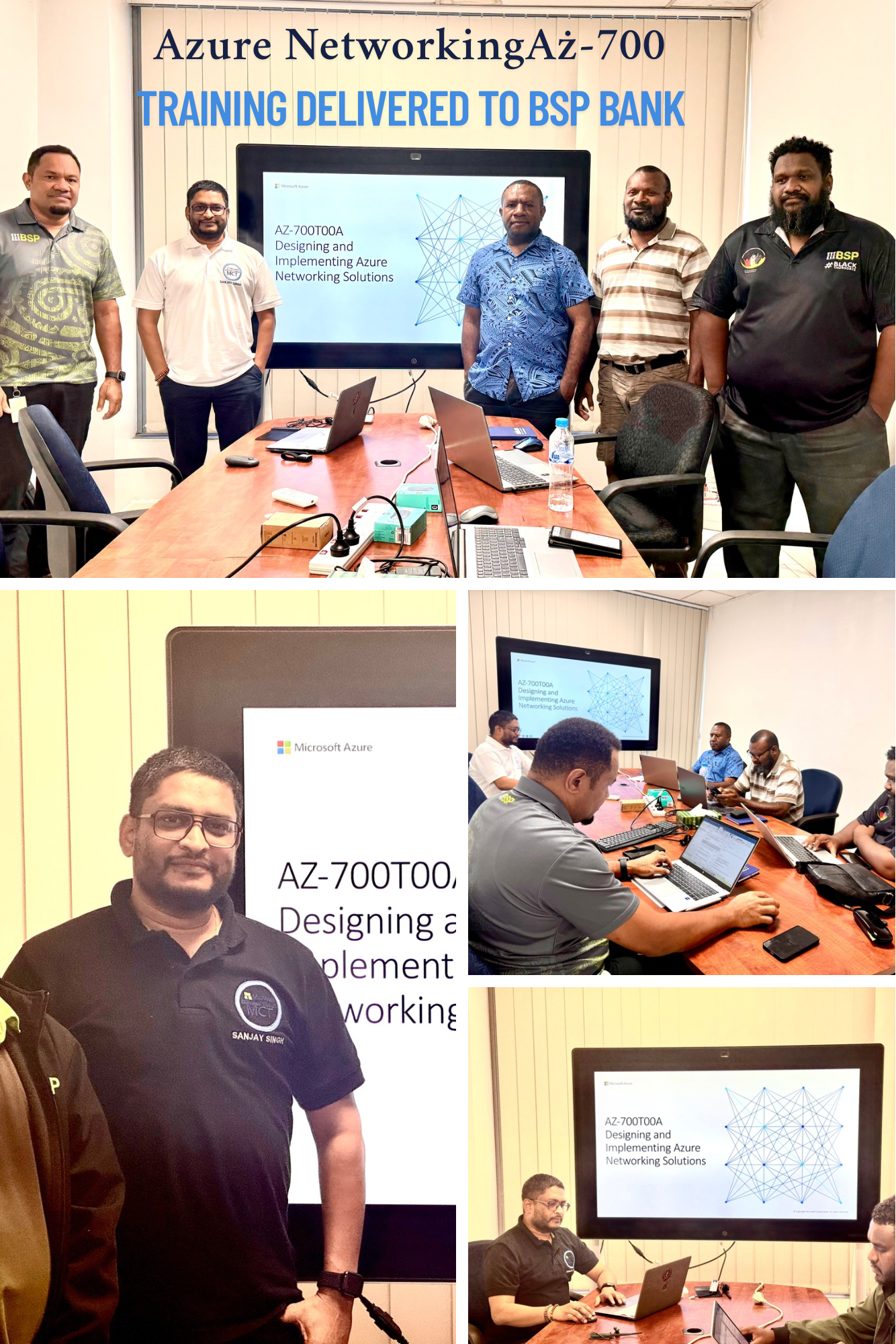
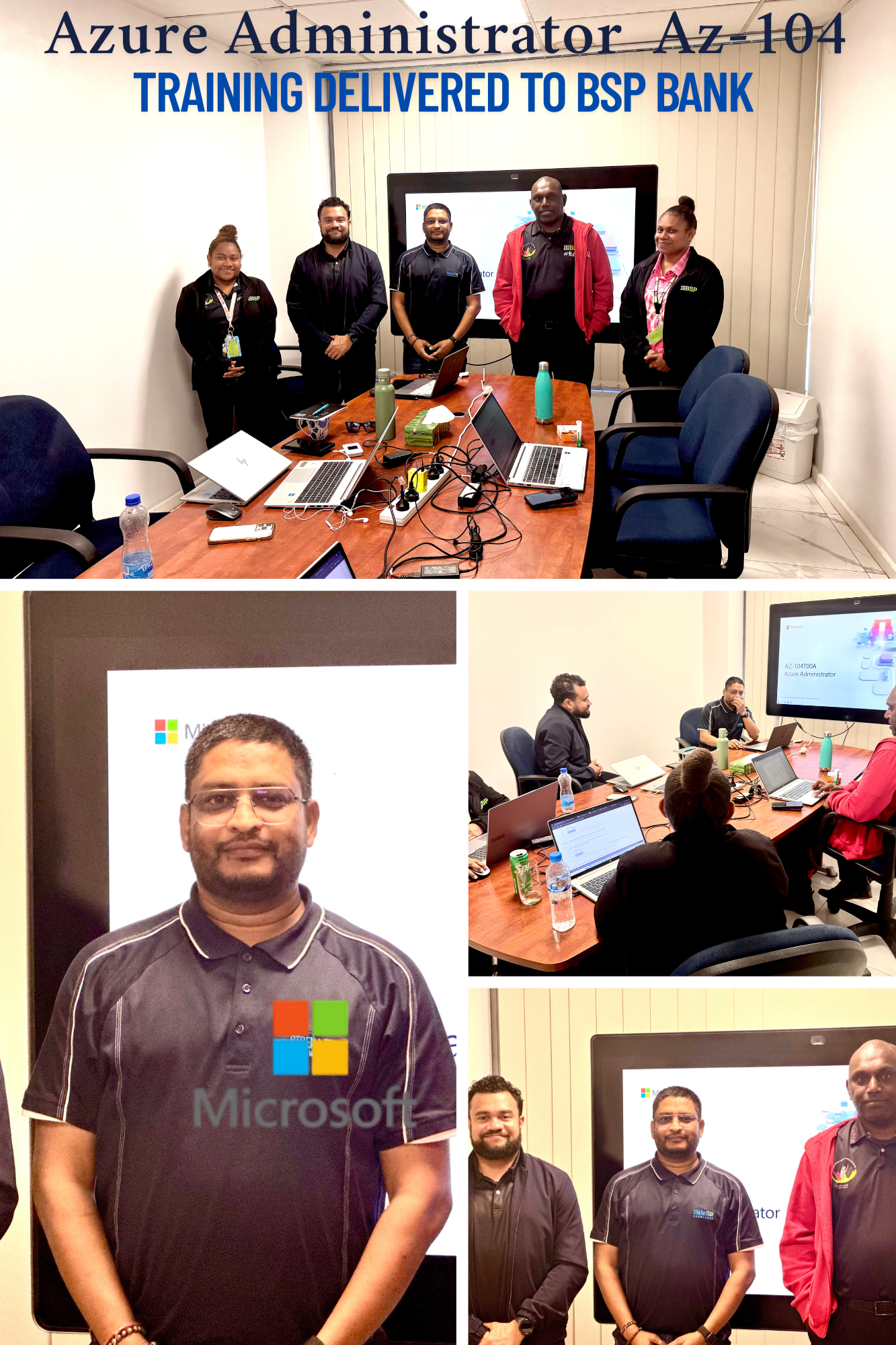
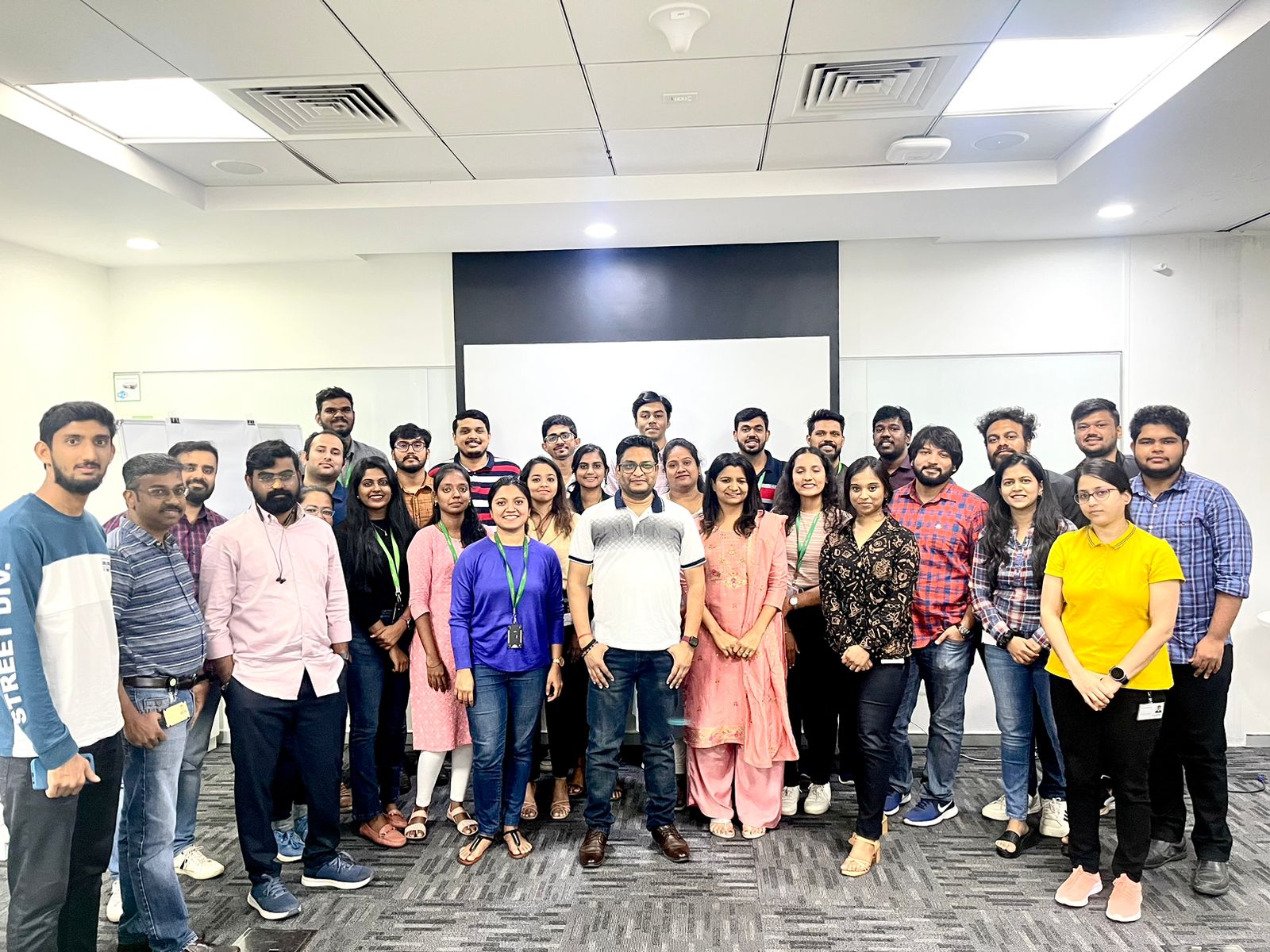
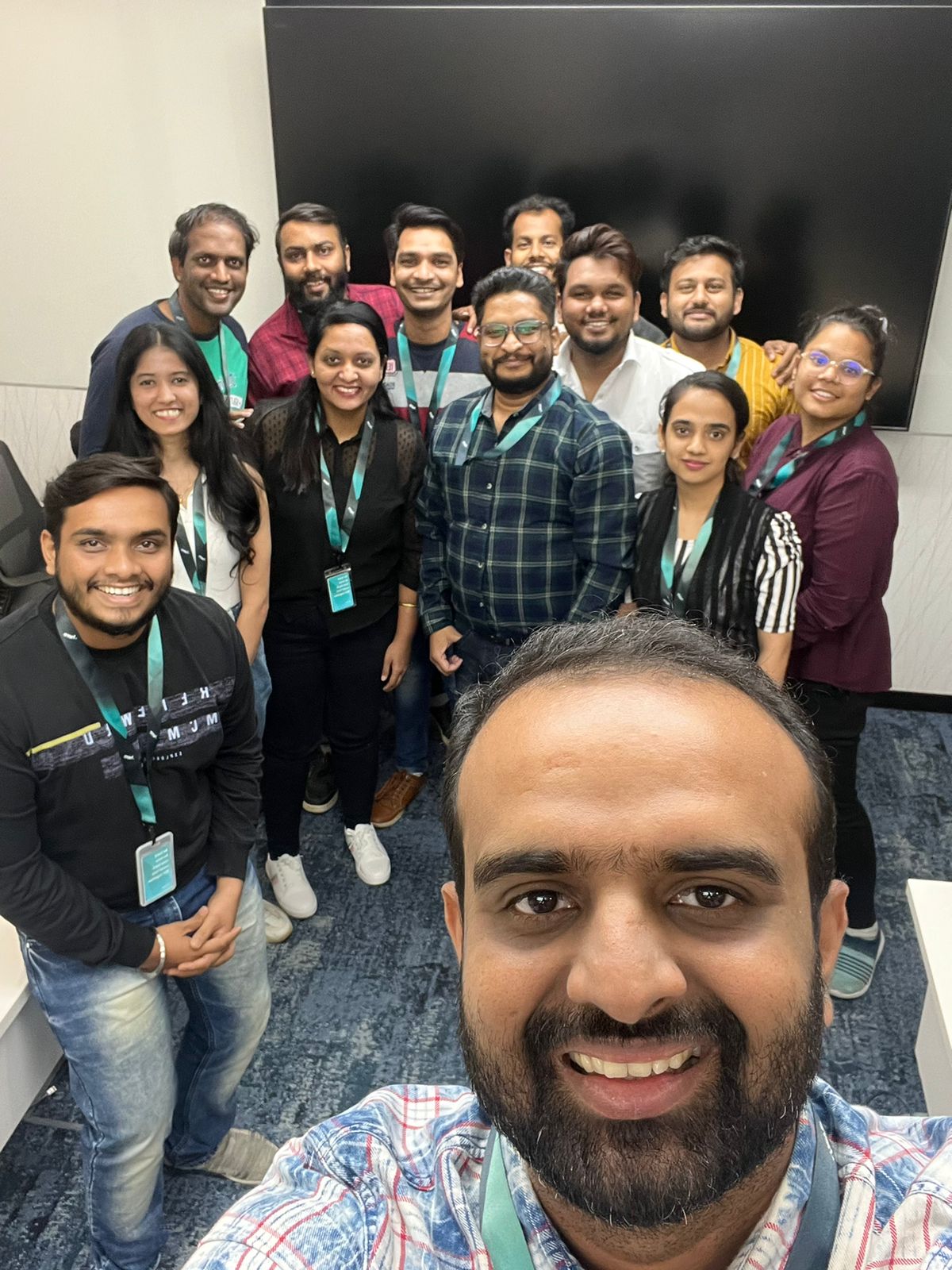
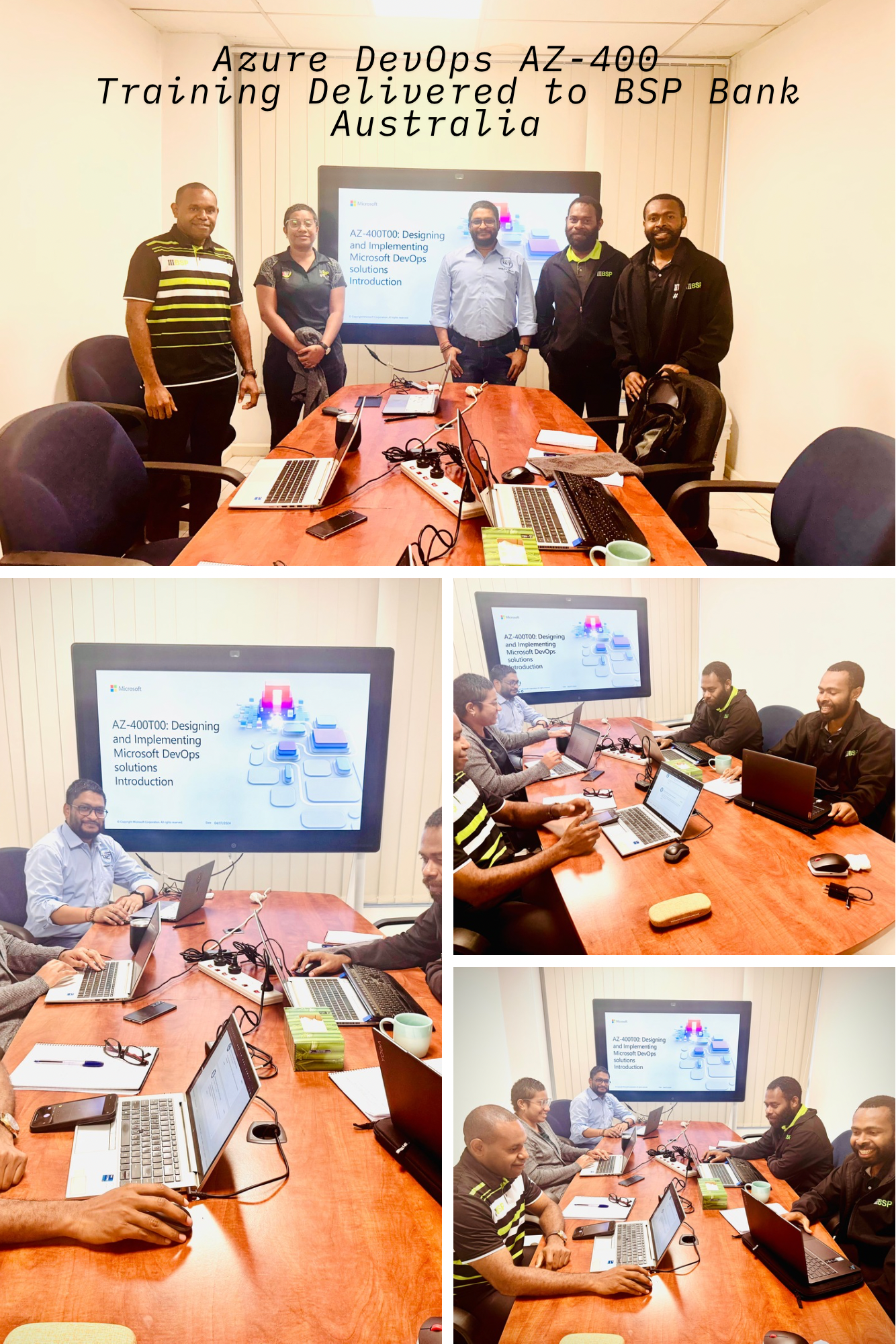
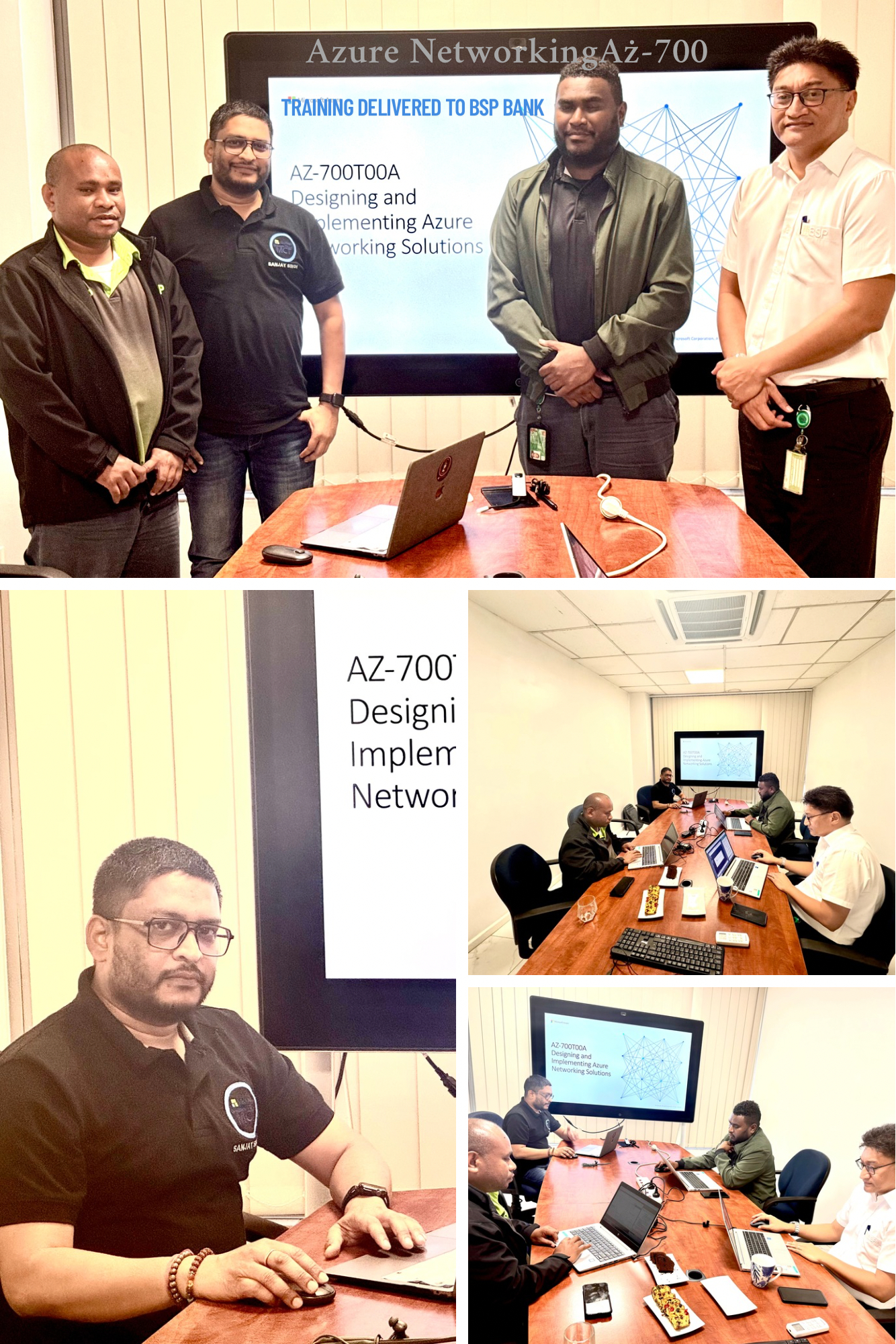
Enroll NowCorporate Azure Training Delivered Successfully
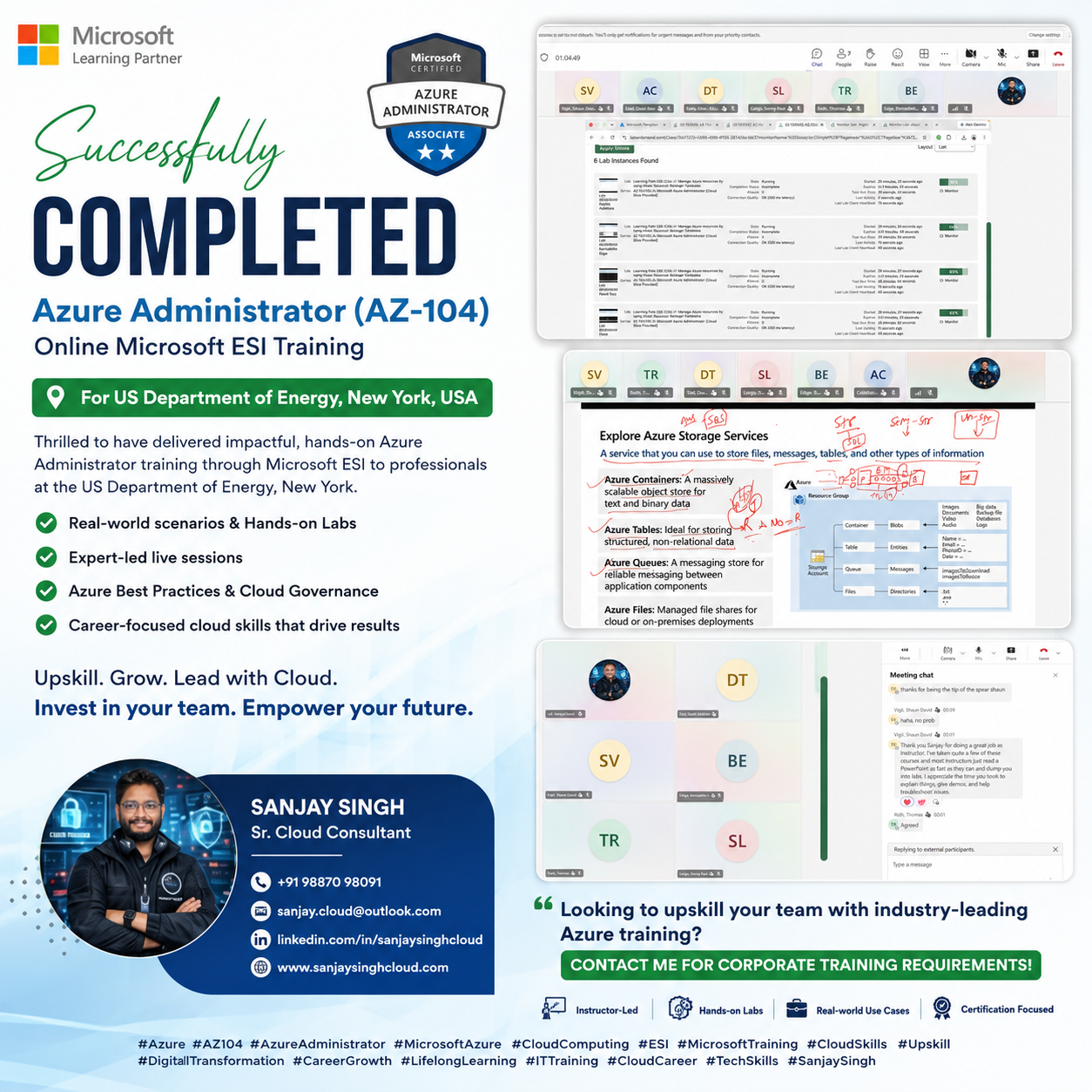
Successfully delivered Microsoft Azure Administrator (AZ-104) Corporate Training under the Microsoft Enterprise Skills Initiative (ESI). The training focused on hands-on labs, live demonstrations, real-world Azure administration, troubleshooting, and certification readiness.
"Thank you Sanjay for doing a great job as Instructor. I appreciate the time you took to explain things, give demos and help troubleshoot issues."
Azure Privileged Identity Management (PIM) is a powerful tool for managing privileged access to resources in Microsoft Azure. Here are some of the benefits you can expect from using Azure PIM:
Reduce the attack surface: Azure PIM allows administrators to grant just-in-time access to privileged roles, reducing the risk of compromised credentials.
Read More
Centralized management: Azure Firewall Manager allows you to manage multiple Azure Firewall instances and policies across different regions and subscriptions from a single pane of glass.
Policy-based configuration: With Azure Firewall Manager, you can define and enforce firewall policies consistently across your entire organization. Policies can be based on applications, sites, and users, and can be customized to meet specific business requirements.
Integration with Azure Security Center: Azure Firewall Manager integrates with Azure Security Center to provide advanced threat detection and response capabilities. You can use Security Center to monitor firewall activity and identify potential security threats
Read More
"Never trust, always verify." Instead of assuming everything inside your network is safe, Zero Trust treats every user, device, and application as potentially untrusted—even if it's inside your own network.
🔒 Key Principles of Zero Trust: Verify explicitly – Always authenticate and authorize based on all available data (user identity, location, device, etc.) Least privilege access – Give users only the access they need—no more. Assume breach – Act as if the network is already compromised.
✅ Simple Example: Imagine your house 🏠 has a traditional lock on the front door. Once someone is inside, they can go into any room. But in a Zero Trust house, even after entering: You need a fingerprint to enter the kitchen. A code to open the bedroom. Facial recognition for the home office. Each room checks who you are and what you’re allowed to do, even though you're already "inside."
Read More